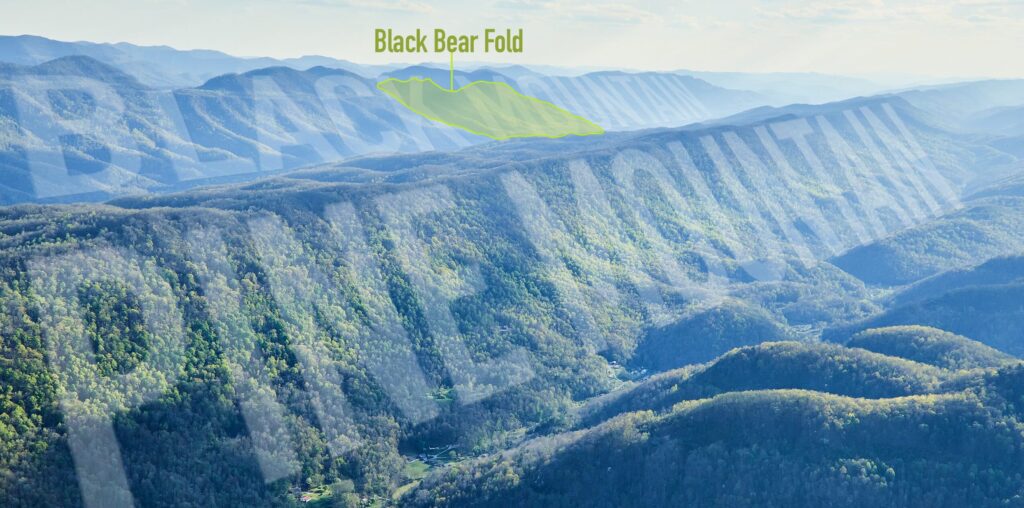
Kentucky Natural Lands Trust is honored to announce our most significant land acquisition of 2026 and a new chapter in the conservation of Central Appalachia: Black Bear Fold, the first nature preserve ever established on Black Mountain.
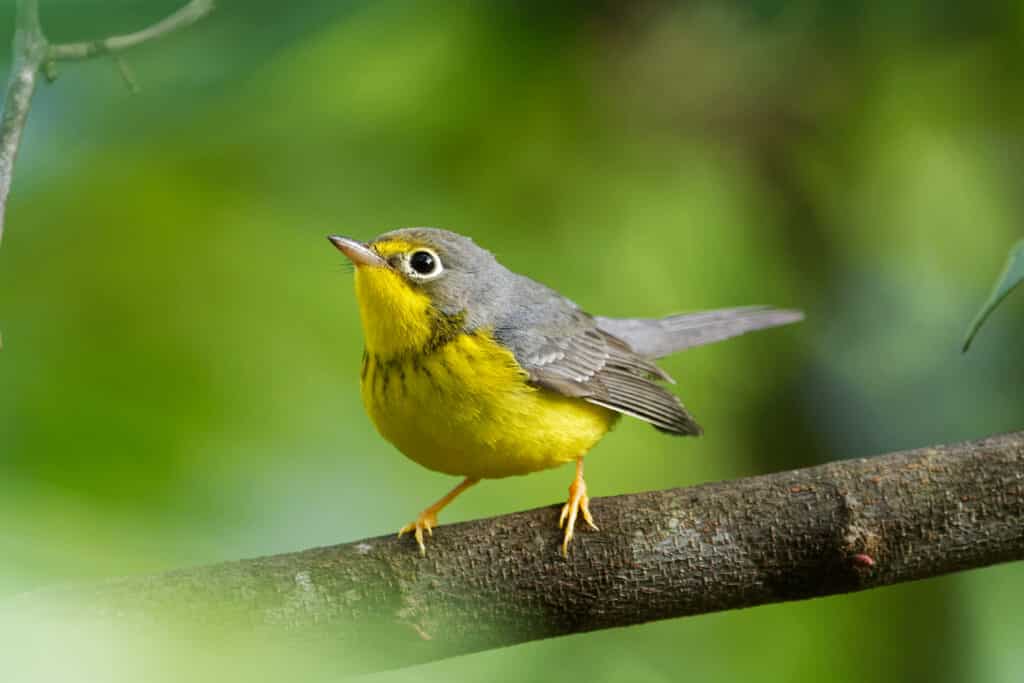 The high elevation of Black Mountain provides important habitat for a few uniquely adapted species like Turk’s cap lilies and breeding populations Canada warblers. The preserve is also an important link in an intercontinental bird migratory pathway providing protected habitat for neotropical songbirds that overwinter in Central and South America. Located 13 miles northeast of Harlan, the preserve will also help protect important headwater streams for local drinking water and mountain vistas that are promoted as a regional tourism attraction. The preserve will initially offer opportunities for guided hiking and birding fieldtrips as well as scientific conservation research.
Large-scale mineral extraction and timbering in the Appalachian Highlands, including on Black Mountain, coincided with industrialization in North America. Resources extracted from Appalachia fueled the US and global economy through the twentieth century.
The wildlands of Central Appalachia are now recognized globally as vitally important, nature-based solutions to biodiversity loss and climate change. As we seek to protect, connect, and restore these wildlands, we also seek to steward their intersection with human communities and contribute to a more sustainable future for the region.
Bringing Black Mountain into the Fold
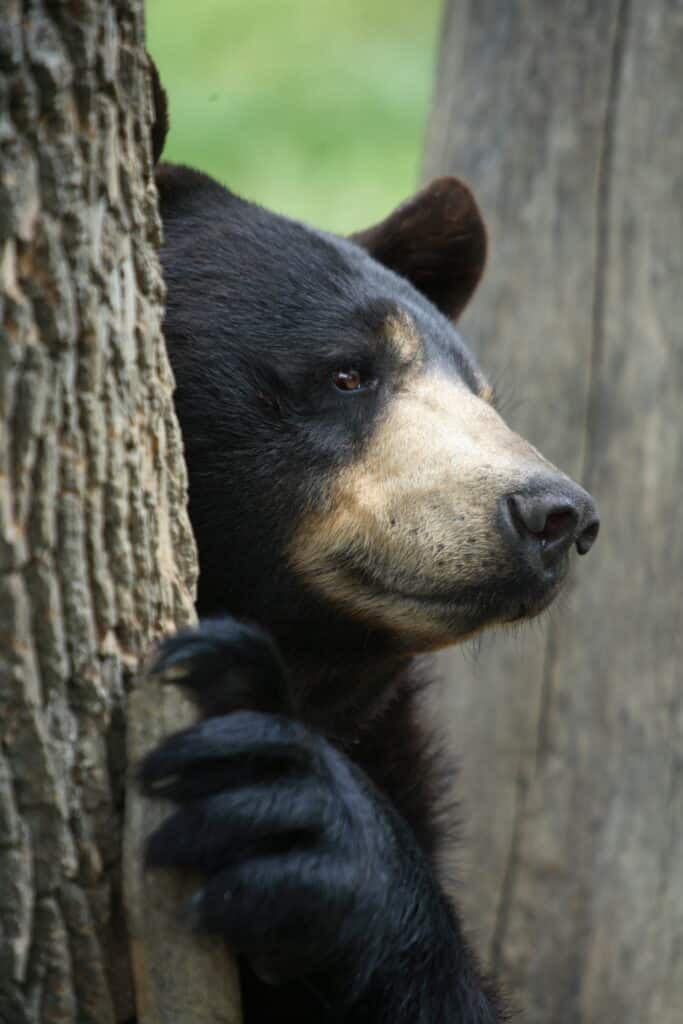
Black Bear Fold takes its name from several overlapping ideas that illustrate the importance of this project. First, KNLT wanted to celebrate the return of the American black bear to Kentucky after they had been completely driven out in the late 19th century, while nodding to the name of the mountain range itself. Black Mountain, like much of the Appalachian range, was formed around 480 million years ago when tectonic pressure forced the planet’s crust into geologic features called “fold mountains.” Additionally, a “fold” is a protected enclosure, or a family homeplace.
The Cawood family owned the land on the north side of Black Mountain for more than 100 years before selling to KNLT. Underground coal mining and selective logging occurred there, said Cawood family member Ed Parsons.
“Black Mountain has been an important resource for America while also contributing to the beauty of Eastern Kentucky and the Central Appalachian region. The heirs of the Cawood family who owned this land are tickled to death that the tract has ended up in KNLT’s hands. KNLT’s mission is what drove us to sell it to them. They truly care about this area. They’re credible and responsible, and we were glad to get a fair price for the land. We’re confident that this beauty will be preserved for years to come,” Parsons said.
Power of Partnership
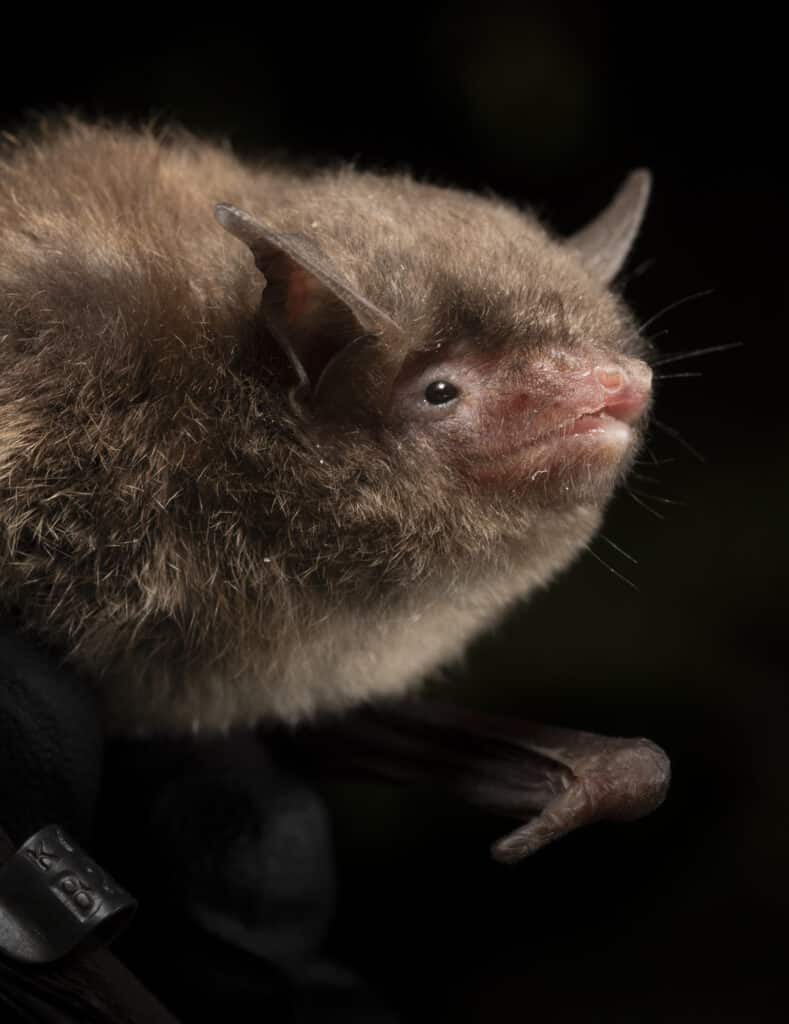
The wildlands of Central Appalachia are recognized globally as a critically important component in addressing biodiversity loss and climate change. Enormous resources and sophisticated partnerships are required to create large landscape corridors as nature-based solutions. KNLT’s conservation work, including on the Black Bear Fold project, is possible only because of the power of partnerships.
We’re grateful for the support of individual donors, foundations, and partners for making this project possible, including: Appalachia Rising, a Re:wild sponsored initiative; the Gatinais Foundation; the Kentucky-based James Graham Brown Foundation; The Nature Conservancy’s Appalachians Program; the Open Space Institute’s Appalachian Landscapes Project; and the Imperiled Bat Conservation Fund, a partnership between U.S. Fish and Wildlife Service’s Kentucky Ecological Services Field Office and KNLT. See a full overview and learn more about all funding partners below.
What People Are Saying About Black Bear Fold Preserve
Appalachia Rising and Re:wild are honored to be able to support the Kentucky Natural Land Trust’s Black Bear Fold project. Appalachia is among the world’s most important regions for nature. The communities of Appalachia deserve the support of all who care about the future. KNLT is leading the way in proving that nature can play a major role in securing prosperity for Appalachian communities.
-Mark Burget, Appalachia Rising, VP for Strategic Initiatives, Re:wild
This is the first project OSI has ever supported in Kentucky, and it’s an honor to start our work here by helping KNLT reach this conservation victory. The Black Bear Fold Preserve’s location—on the Cumberland Plateau, safeguarding the headwaters of the Cumberland River, and in the heart of the Appalachians—makes it an essential landscape for wildlife, clean water, and people. We congratulate KNLT and all who worked to protect this irreplaceable area.
-Joel Houser, Senior Director of Capital Grants, Open Space Institute
The Nature Conservancy is pleased to have contributed funding for KNLT’s acquisition of the Black Bear Fold Preserve through our Resilient and Connected Appalachians Grant Program. Our grant program aims to put resources behind projects that can make a real difference for people and nature, helping communities become more resilient while protecting the lands and waters we all depend on.
-Heather Furman, Appalachians Director for The Nature Conservancy
The James Graham Brown Foundation is pleased to support the mission of KNLT and to have played a role in this important acquisition. The preservation of this land greatly benefits the region now and for future generations. The Foundation is grateful for the opportunity to continue to highlight Kentucky’s unique assets.
-Mason B. Rummel, President & CEO, James Graham Brown Foundation, Inc.
Black Bear Fold Funding Partners
• Appalachia Rising, a Re:wild sponsored initiative, which 1) connects organizations and networks that foster equity and respect Appalachian culture; 2) protects natural landscapes to promote and restore biodiversity; and 3) advances nature-based solutions that build climate resilience and address the climate crisis.
• Gatinais Foundation, which supports critical efforts to protect biodiverse landscapes and wildlife connectivity in Appalachia and around the world.
• James Graham Brown Foundation works with organizations to build on and highlight Kentucky’s unique strengths in ways that impact the well-being of the citizens of the city of Louisville and the Commonwealth of Kentucky, and that shed a positive light on the state.
• Open Space Institute’s Appalachian Landscapes Project, which supports the protection of lands for wildlife and communities. The Fund is made possible thanks to funding from The Great Island Foundation, Lookout Foundation, Lyndhurst Foundation, and Anonymous Foundations, as well as other foundations and individuals.
• The Nature Conservancy’s Appalachians Program aims to catalyze a sustainable future for nature and people by enabling high-impact, continental-scale conservation solutions through thoughtful internal collaboration, inclusive partnerships, and equitable practices across communities, ultimately delivering maximum contributions to TNC’s 2030 goals and solutions to our planet’s biodiversity and climate crises.
• Imperiled Bat Conservation Bat Fund (U.S. Fish and Wildlife Service, Kentucky Field Office and KNLT), which has helped protect more than 50,000 acres of important bat and forest habitat in Kentucky.
About Kentucky Natural Lands Trust
KNLT is a nationally accredited nonprofit protecting biodiverse and climate-resilient landscapes in ways that benefit communities. Through partnerships with individuals, nonprofits, government agencies, and businesses, KNLT has safeguarded more than 65,000 acres of wildlands throughout Kentucky and Central Appalachia.
Projects like these would not be possible without the support of our donors! Join our movement!
For more information on how you can help KNLT protect wildlands, sign up now to receive our monthly newsletter.
________________________________________________________________________________________
Photo credits
Banner image courtesy of Ted Wathen, KDPP
American black bear courtesy of Dave Baker, KDFWR
Canada warbler courtesy of Jennifer Honeycutt
Black Mountain/Black Bear Fold courtesy of KNLT
Indiana bat courtesy of Price Sewell
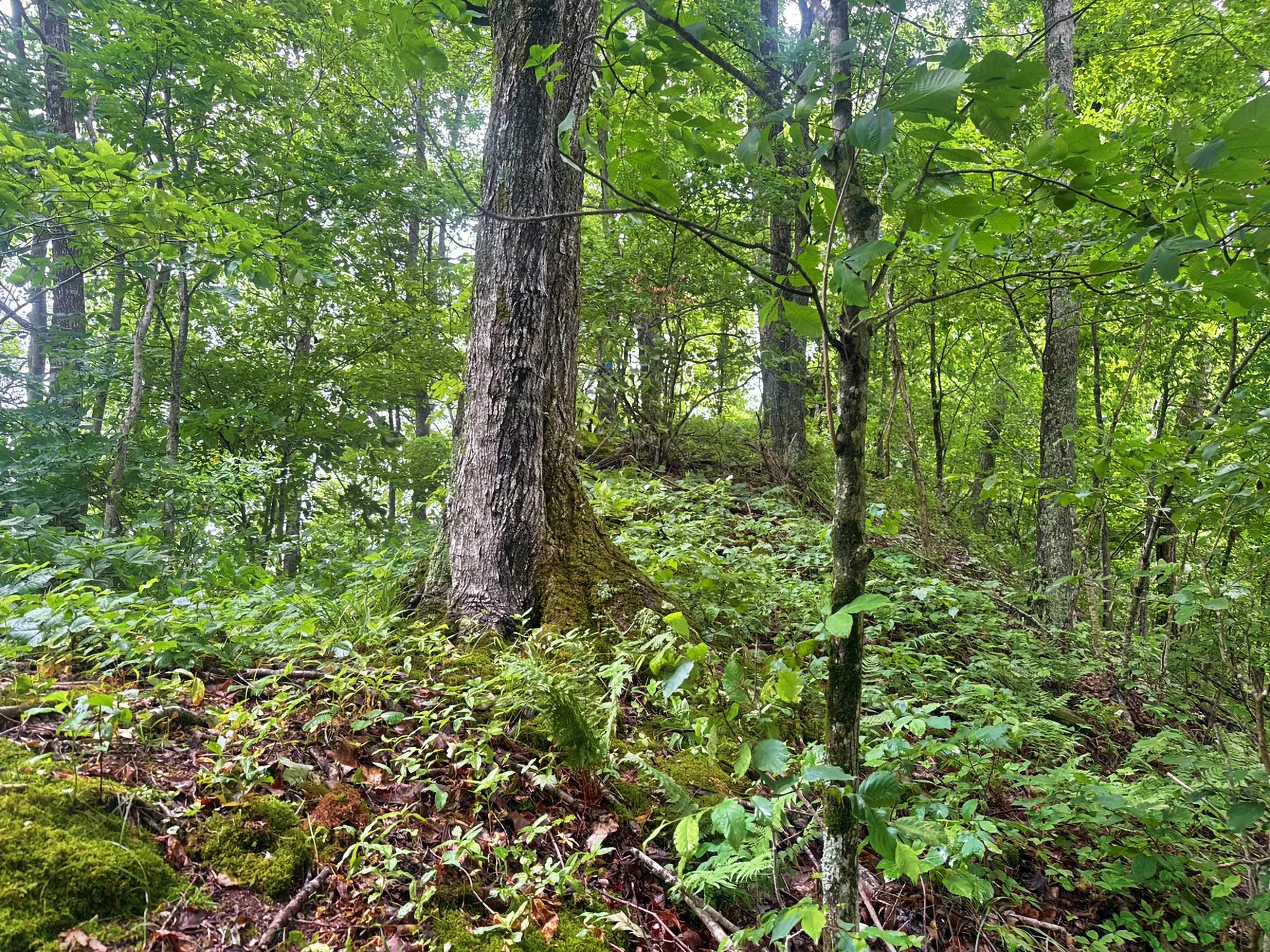
Black Bear Fold forest courtesy of Jess Slade, KNLT