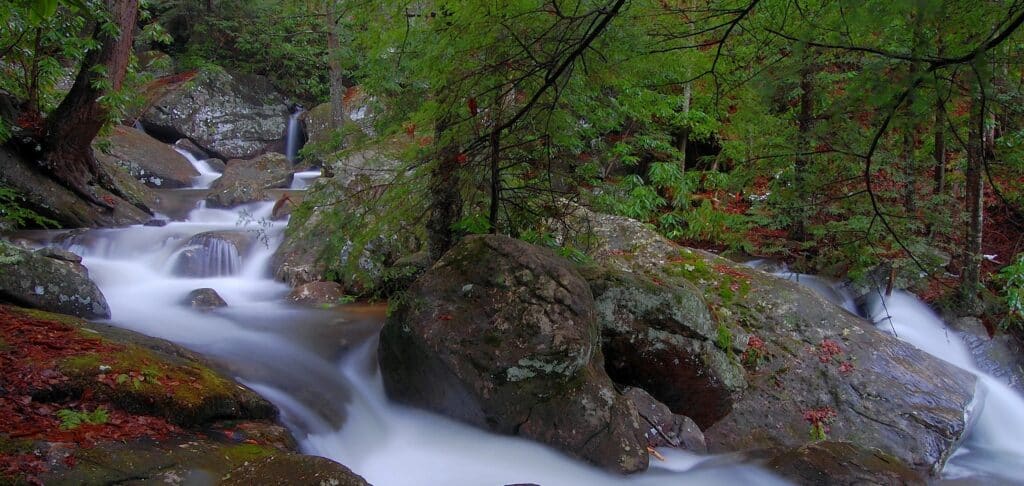
As part of the fourth-largest watershed in the world, and with more than 90,000 miles of creeks, rivers, streams, and seeps flowing within its borders, Kentucky’s common wealth is in our water.
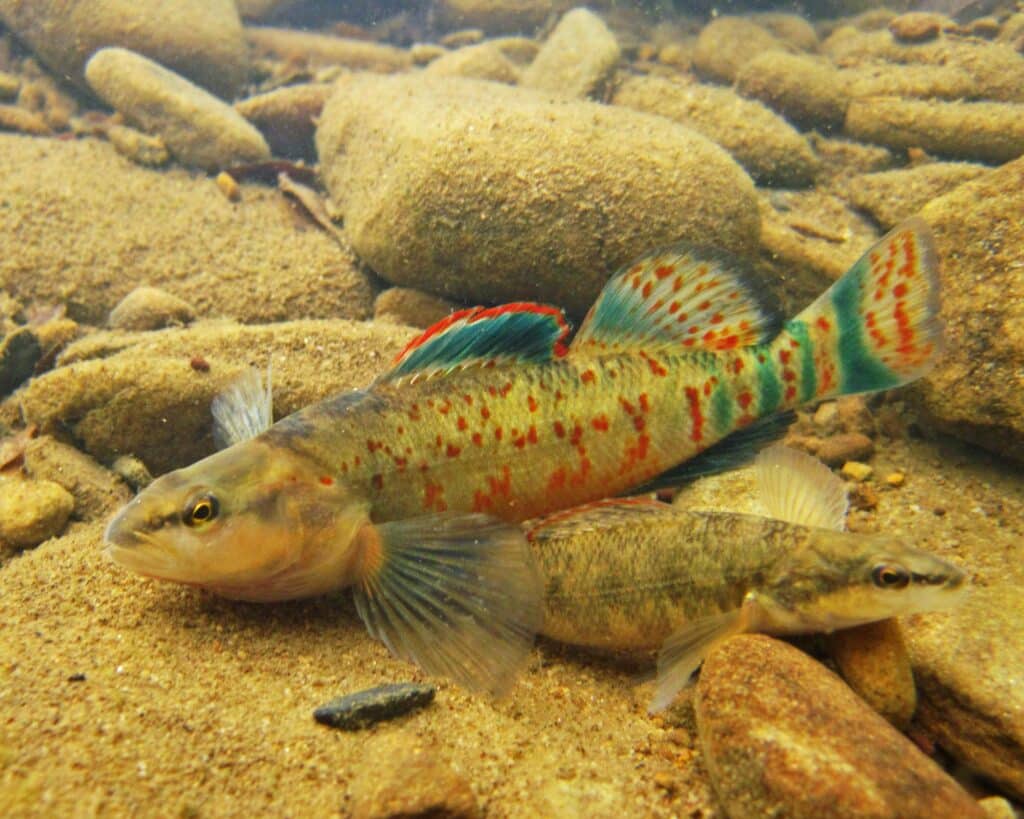
Central Appalachia—including KNLT’s primary focus areas along the Kentucky, Tennessee, and Virginia border—is a globally notable ecosystem and home to one of the most biodiverse temperate freshwater systems on Earth. It’s a special corner of the world with an incredibly varied population of mussels, fishes, crayfishes, salamanders, damselflies, and more, who live or die by the health of the waterways they call home.
The effects of development and extraction are quickly and widely distributed in aquatic ecosystems where disturbance, siltation, and pollution are invariably transmitted downstream. Central Appalachia is home to hundreds of species that are threatened or endangered. When KNLT adds preserves into the patchwork quilt of our conservation, we assume responsibility for these wildlands and become stewards of their future health.
This stewardship requires a great deal of expertise and includes managing invasive species, supporting infrastructure, conducting research, building partnerships with scientists, and protecting terrestrial ecosystems. Additionally, KNLT’s Conservation Team manages the protection of dozens of headwater streams and miles of waterways on Pine and Cumberland Mountains.
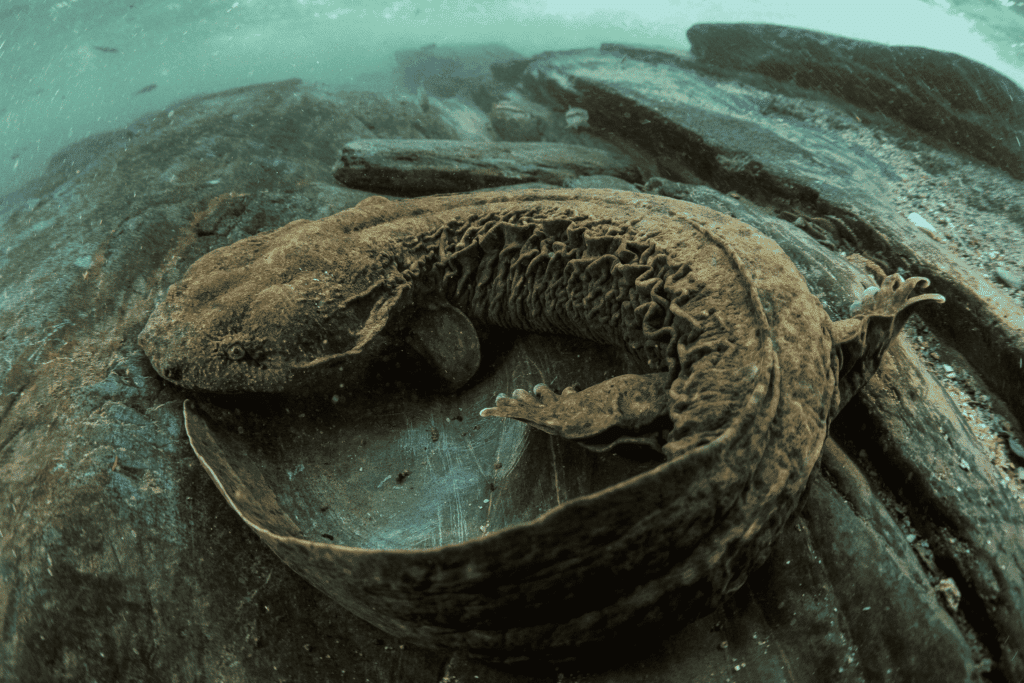
This year alone, the Conservation Team has initiated programs to monitor the presence and health of the endangered hellbender, documented the presence of rare and endangered aquatic insects in mountain bogs, and implemented an innovative solution to the impacts of beaver wetlands without affecting their habitat.
A baseline understanding of the makeup and health of these waterways is critically important to their stewardship and protection. To that end, KNLT has begun a monitoring program across a sample set of streams to understand their chemical, ecological, and habitat health. This spring, KNLT joined the Kentucky Watershed Watch (KWW), a statewide program that provides training and resources for organizations and community scientists to collect and share vital data about Kentucky’s waterways.
KWW offers online and in-person training, and volunteer-led support “hubs” across the state. KNLT Conservation Field Technician Sam Daugherty recently completed the KWW training program with our longtime partners at Cowan Community Center in Whitesburg, KY.
Sam has subsequently established four watershed monitoring locations across KNLT’s preserves on Pine Mountain. She’ll visit these sites three times each season to collect and analyze samples. A chemical analysis involves testing the pH, temperature, conductivity, and dissolved oxygen in each stream, and using a mini-incubator system to test for E. coli. Habitat analysis is conducted by surveying and assessing the physical area around the creek, noting stream bank erosion, incursion of exotic plant life, tree cover, and other physical attributes that affect overall stream health.
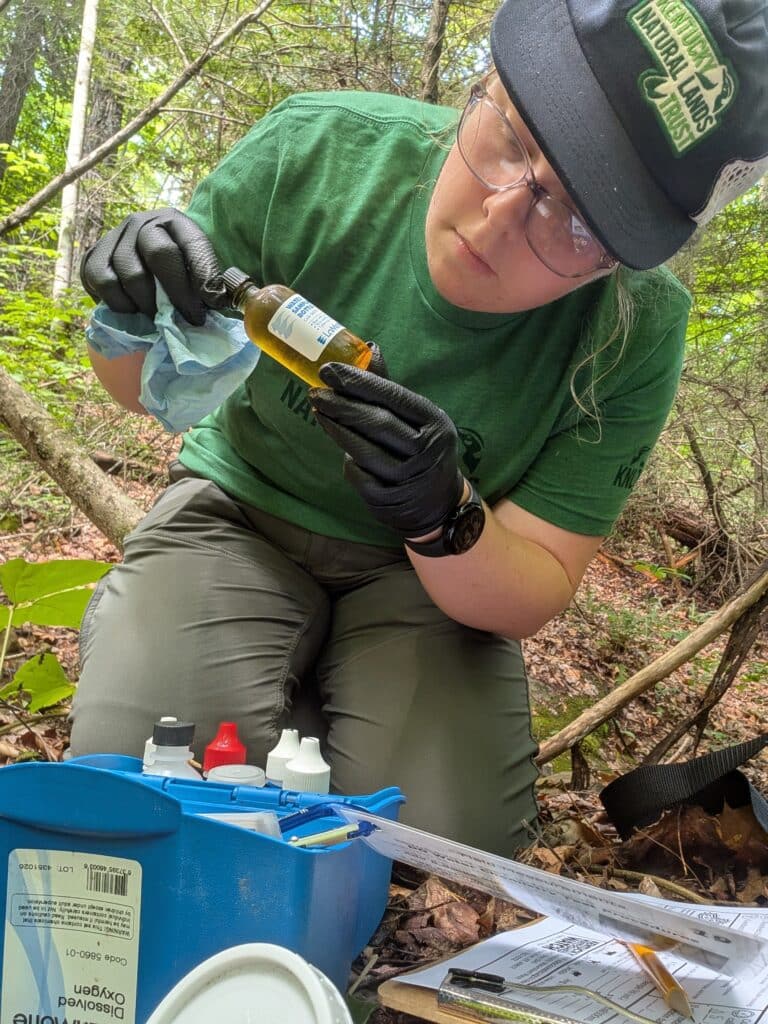
Next year, Sam will also collect data about the benthic macroinvertebrates found in each of these streams. Species like stoneflies, mayflies, water pennies, and native mussels that live at least part of their life in these freshwater streams are incredibly sensitive to water quality conditions, so their presence, concentration, or absence are clear indicators of the overall health of a stream.
Sam’s work will provide snapshots of this stream health and establish an important baseline understanding. Consistent monitoring will allow KNLT to track changes in stream health and adapt management and restoration plans for each site. In addition to supplementing the KWW database, this information will support subsequent research by the KNLT Conservation Team and the scientists across many disciplines with whom we partner. The more we know about our preserves, the better we can steward them and tell their stories. Our research and partnerships contribute to a more accurate understanding of this region and its importance to the mitigation of global climate change and biodiversity loss to ensure nature, people and the planet flourish.
About Kentucky Natural Lands Trust
KNLT is a nationally accredited nonprofit working to protect biodiverse and climate-resilient landscapes in ways that benefit communities. Through partnerships with individuals, nonprofits, government agencies, and businesses, KNLT has safeguarded more than 64,000 acres of wildlands throughout Kentucky and Central Appalachia.
Projects like these would not be possible without the support of our donors! Join our movement!
For more information on how you can help KNLT protect wildlands, sign up now to receive our monthly newsletter.
_______________________________________________________________________________
Cover photo, courtesy of Jennifer Honeycutt
Eastern hellbender, courtesy of David Herasimtschuk, Freshwaters Illustrated
Kentucky arrow darter, courtesy of T. Travis Brown